Engineered wood is one of the most practical flooring choices for Las Vegas homes, and it is often misunderstood. It is real wood, not an imitation, and its layered construction solves many of the challenges that solid hardwood faces in our climate and on our slab foundations.
If you love the look of natural hardwood but want fewer worries about cupping and gapping, engineered wood deserves a close look. This article explains how it is built, why it suits the valley so well, where it works best, and how to tell a quality product from a thin one.
What Engineered Wood Actually Is
Engineered wood has a genuine hardwood veneer on top, bonded to a multi-ply core where the layers run in alternating directions. That cross-layered construction is what gives the plank its stability, because the layers counteract each other instead of swelling and shrinking as one solid piece.
The surface looks and feels like solid hardwood because it is solid hardwood. The difference is underneath, where engineering does the heavy lifting.
Why It Suits Las Vegas So Well
Two facts define flooring in the valley: most homes sit on concrete slabs, and indoor air stays very dry for much of the year. Both conditions reward stability, and stability is exactly what engineered wood is designed to deliver.
Because engineered planks resist seasonal movement, they stay flatter and tighter over time than solid wood often does on a slab. That makes them a confident choice for open main floors where a continuous, seamless run looks best.
The Wear Layer Is Everything
Not all engineered wood is equal, and the wear layer is the single most important spec. The wear layer is the thickness of the real wood veneer on top.
- Thicker wear layers can be lightly sanded and refinished once or twice
- Thin veneers cannot be sanded and are meant to be replaced rather than refinished
- A thicker wear layer usually means a longer usable life
- Match the wear layer to how long you plan to keep the floor
Installation Methods
Engineered wood is versatile, which is part of its appeal. Over a slab it is often glued down or floated with a quality underlayment for sound and moisture control. On a wood subfloor it can also be nailed.
Glue-Down and Float
Glue-down gives a solid, quiet feel directly to the slab. Floating installs quickly and allows the floor to move naturally. We recommend the method that fits your subfloor and product.
Radiant Heat Compatibility
Many engineered products work over compatible radiant heat systems, which solid hardwood often cannot tolerate as well.
Engineered Wood vs Solid Hardwood
Both are real wood. Solid hardwood can be refinished more times and is a classic for raised subfloors. Engineered wood is more stable, easier to install over concrete, and often the smarter choice for slab homes and homes with significant indoor humidity swings.
The best option depends on your subfloor, budget, and how long you plan to stay. We compare them honestly during your estimate.
Looks and Finishes
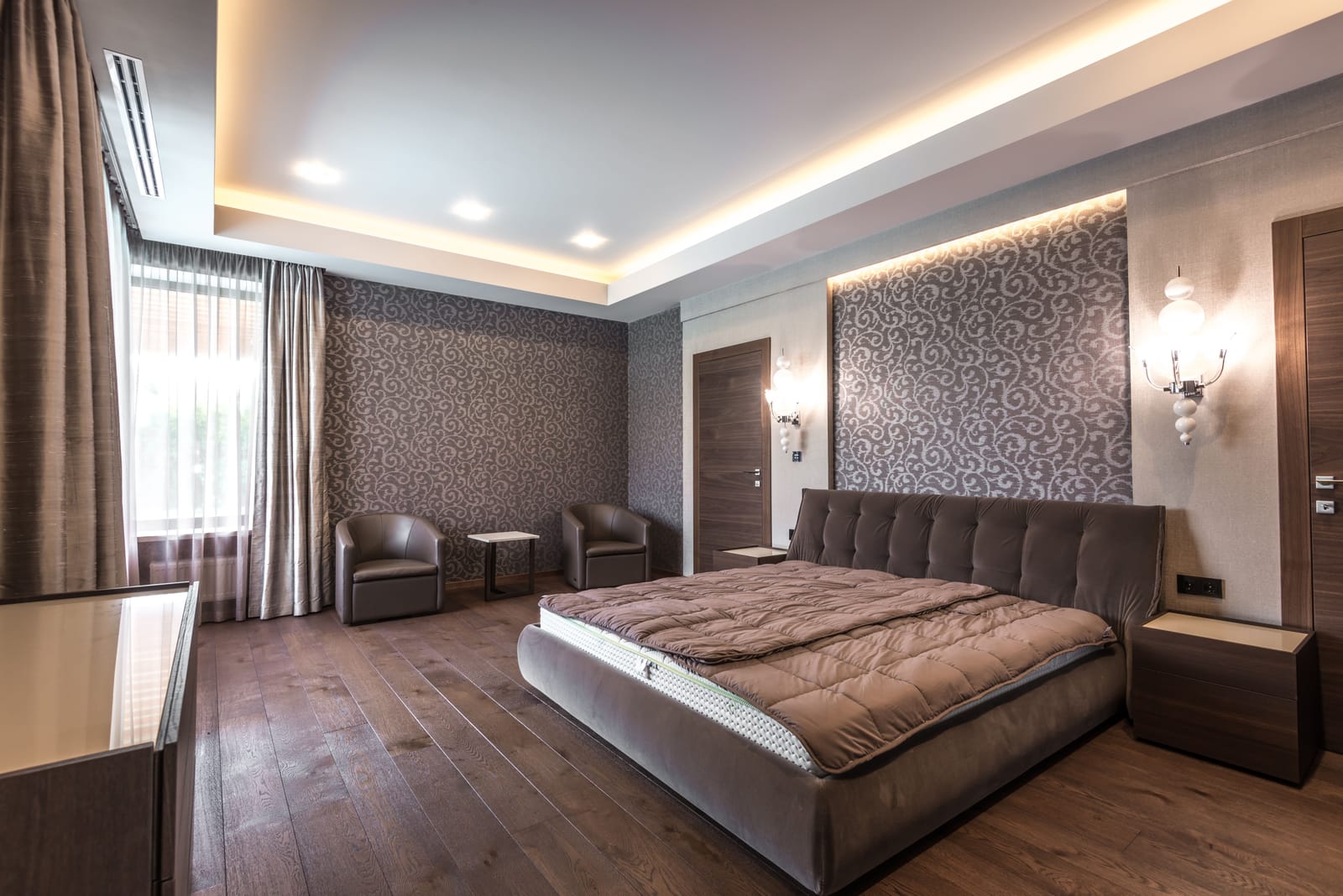
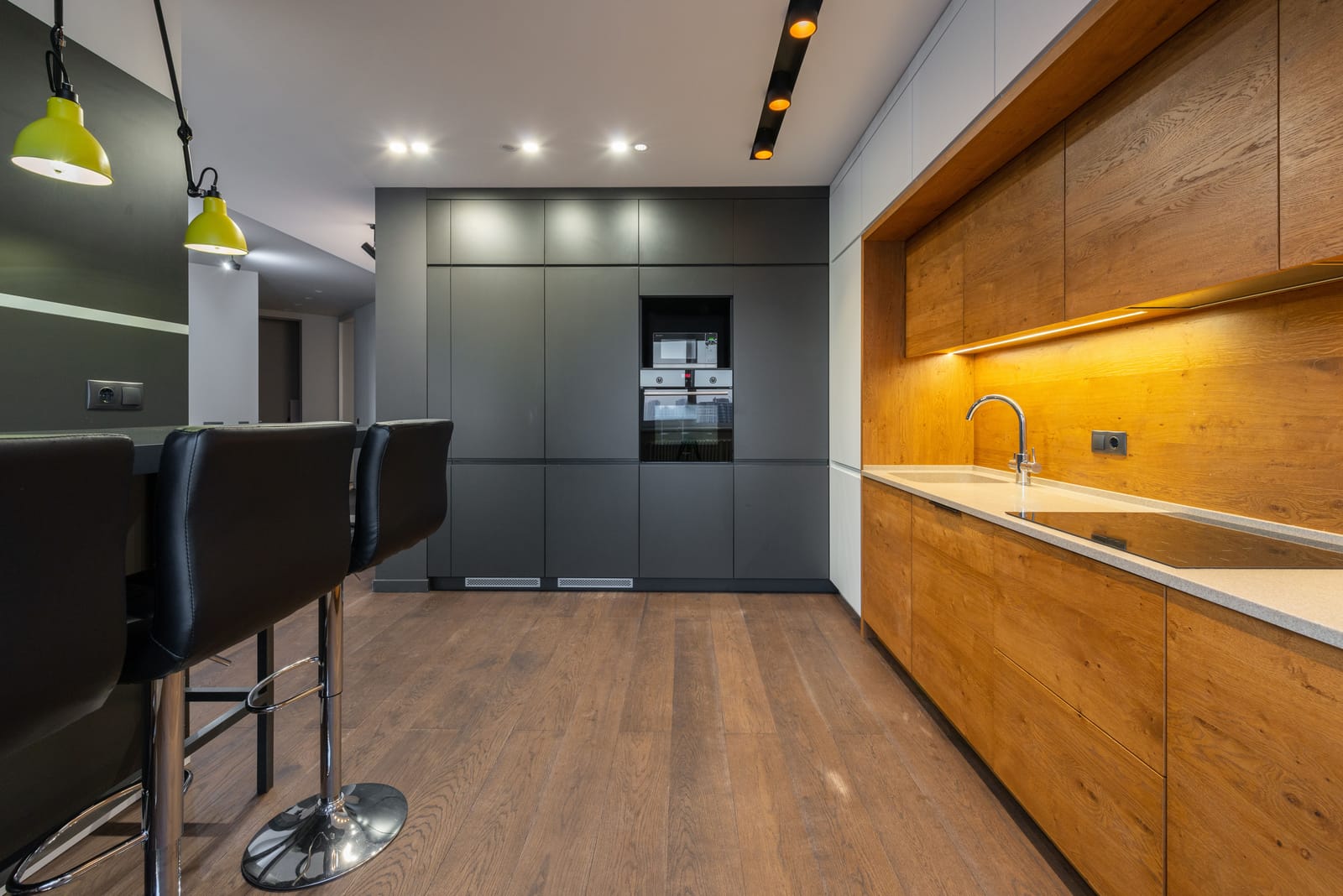
Engineered wood comes in the same species and finishes as solid hardwood, including white oak, hickory, and walnut, in wide planks and matte, wire-brushed, or hand-scraped textures. You get the high-end look you want with a product built to stay flat in a Las Vegas home.
Wide-plank engineered floors are especially popular in newer open-concept homes around Henderson, Summerlin, and the southwest valley because they make large spaces feel cohesive.
How to Choose a Quality Product
Look at the wear layer thickness, the core quality, the finish warranty, and the reputation of the manufacturer. A slightly higher investment in a thicker wear layer often pays off in years of added life and the option to refinish later.
We help you compare products at different price points and match them to your rooms and traffic, so you are not guessing in a showroom aisle.
Acclimation Still Matters
Engineered wood is far more stable than solid hardwood, but it still benefits from acclimating to your home before installation. In the dry Las Vegas climate, letting the planks adjust to indoor conditions reduces the chance of any movement after the floor is down.
A careful installer factors this into the schedule rather than rushing material straight from the warehouse onto your slab.
Wide Planks and Visual Impact
Engineered construction makes wide planks practical and stable, which is one reason wide-plank engineered floors have become a signature look in newer valley homes. Wider boards show fewer seams and make rooms feel larger and more open.
If you want a contemporary, designer feel, a wide-plank engineered floor in a natural oak tone is a reliable choice that pairs well with open-concept layouts.
Engineered Wood in Open Floor Plans
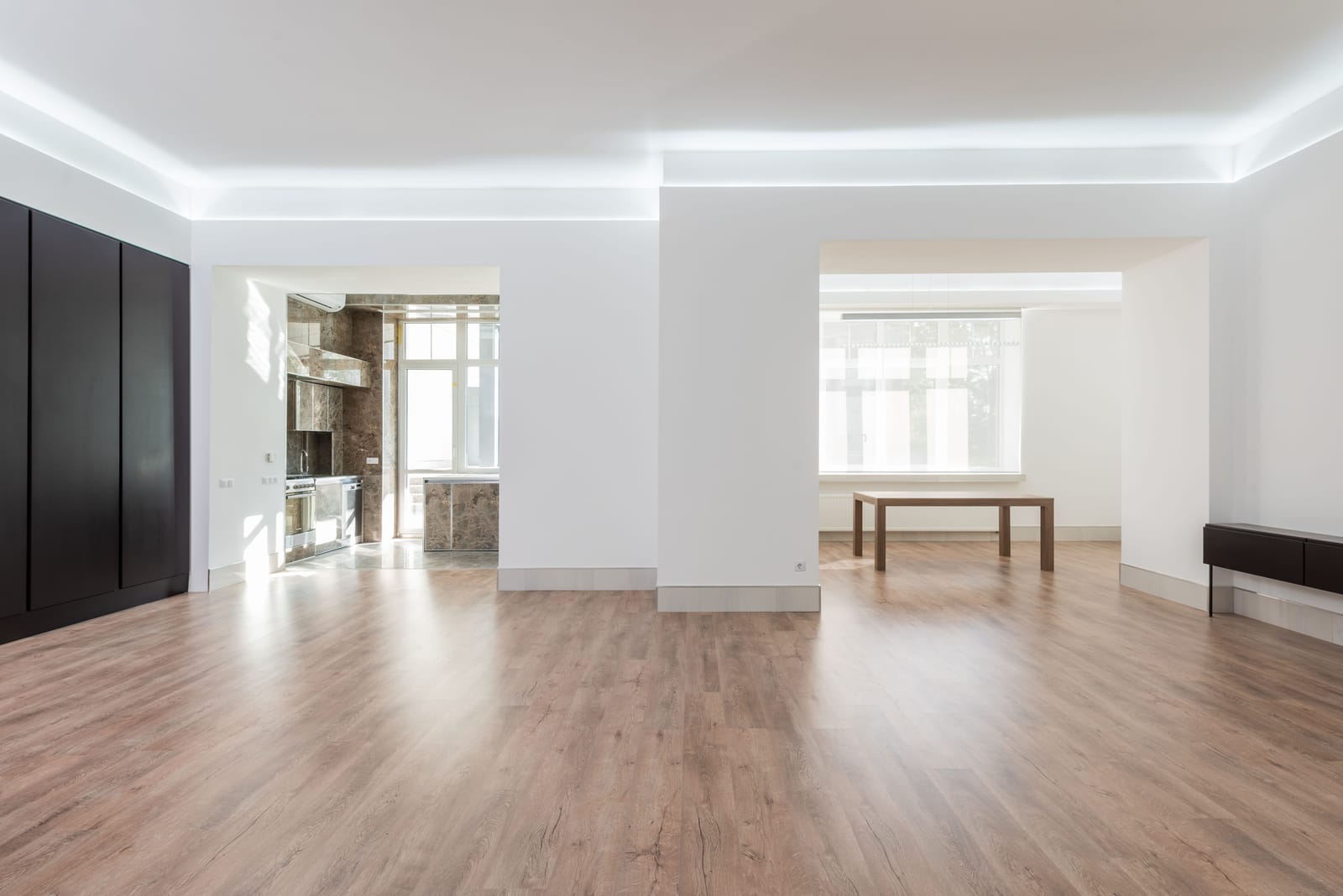
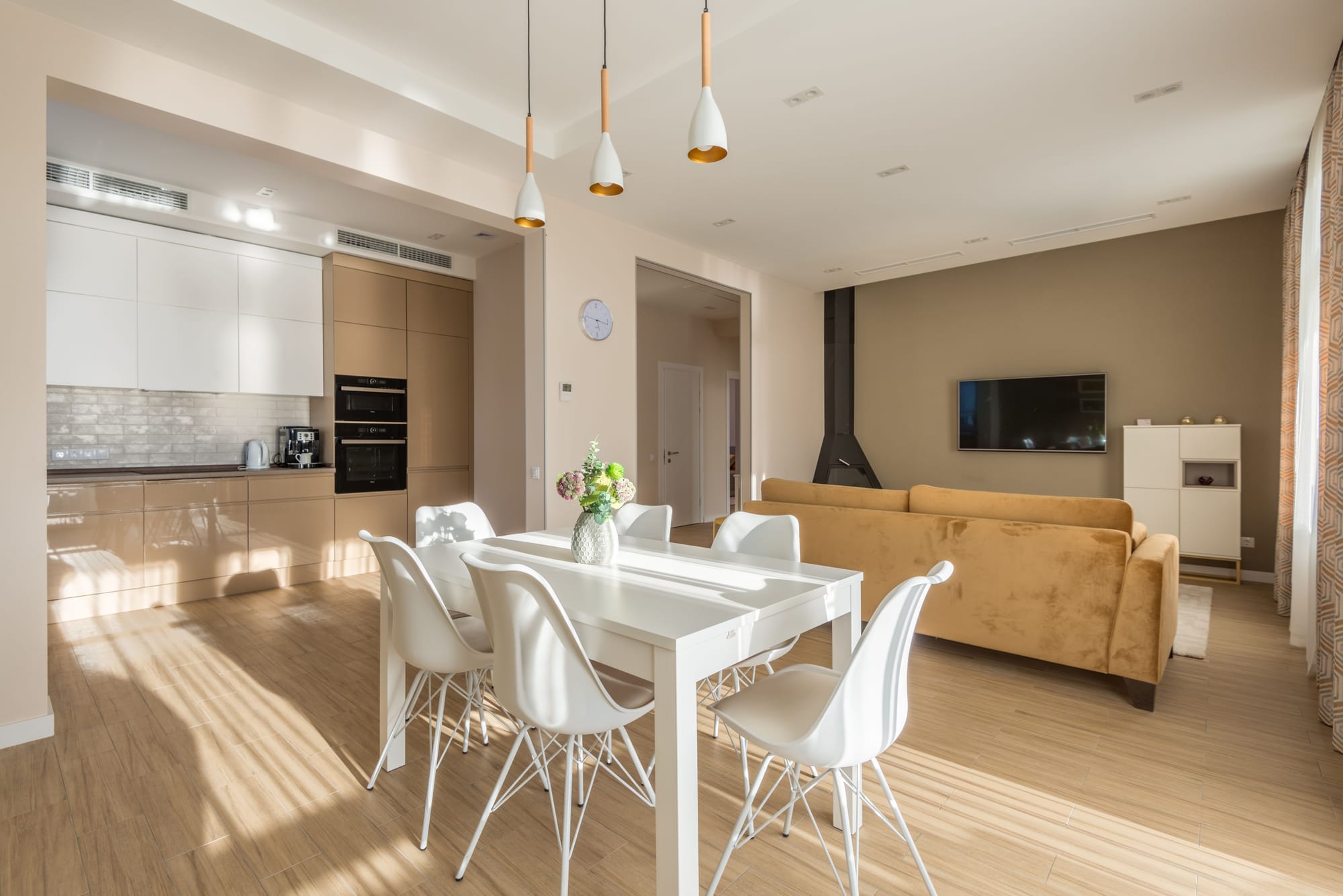
Many Las Vegas homes feature open main floors where the kitchen, dining, and living areas flow together. A continuous run of engineered wood across these spaces creates a clean, uninterrupted look that makes the whole level feel cohesive.
Because engineered wood stays flat and tight over a slab, it handles these large continuous spans well, avoiding the gaps that can appear when solid wood reacts to dry air.
Maintenance and Everyday Care
Engineered wood is easy to live with. Regular dust-mopping handles fine desert dust, and prompt cleanup of spills keeps the surface looking fresh. Use the cleaner recommended for your product rather than excessive water.
- Sweep or dust-mop regularly to manage grit
- Wipe spills promptly rather than letting them sit
- Use felt pads under furniture and rugs in busy paths
- Add window coverings in rooms with intense direct sun
Engineered Wood and Your Budget
Engineered wood spans a wide price range, from approachable mid-range options to premium products that rival solid hardwood. The wear layer, the species, and the finish all influence cost, and total project price also depends on subfloor prep and removal.
We provide a clear written estimate and can compare engineered options at different price points, and financing may be available through third-party providers if you want to spread the cost.
Is Engineered Wood Right for Your Home?
If your home sits on a slab, you want a genuine wood surface, and you value stability and easier installation, engineered wood is often the smartest fit. It delivers the look homeowners want with fewer of the worries that come with solid wood in a dry climate.
The best way to decide is an on-site assessment where we look at your subfloor and talk through your goals, then recommend the product that fits your rooms and budget.
Engineered Wood for New-Build Neighborhoods
The fast-growing neighborhoods of the southwest valley, including Enterprise and parts of Henderson, are full of newer homes with open layouts and concrete slabs. Engineered wood is a natural fit for these spaces because it pairs a real-wood surface with the stability slab construction needs.
Wide-plank engineered floors in light, natural tones suit the contemporary finishes common in these homes and flow beautifully across open main levels.
Comparing Engineered Products Side by Side
Not all engineered wood is built to the same standard. When comparing options, a few specs tell you the most about quality and longevity.
- Wear layer thickness, which determines refinishing potential
- Core quality and how it handles moisture
- Finish durability and the manufacturer's warranty
- Plank width and texture for the look you want
- Whether the product is rated for your installation method
Booking an Engineered Wood Consultation
The clearest way to choose the right engineered floor is an on-site consultation. We evaluate your slab, discuss installation methods, and show you products that fit your rooms, your style, and your budget.
Request a free estimate or book an appointment whenever you are ready, and we will help you land on an engineered floor that looks great and stays flat for years.
Engineered Wood and Indoor Comfort
Beyond stability, engineered wood contributes to a comfortable home. A glued-down installation feels solid and quiet underfoot, while a floated floor with good underlayment softens footsteps and reduces sound between levels in two-story homes.
The genuine wood surface also feels warmer and more natural than tile, which is a welcome quality in living areas and bedrooms where you spend the most time.
Serving the Whole Las Vegas Valley
We install engineered wood throughout Las Vegas and the surrounding communities, from established neighborhoods to newer master-planned areas. Local experience with slab construction and dry-climate acclimation is what keeps these floors flat and tight for the long run.
Wherever your home is in the valley, we tailor the product and installation method to your subfloor and your goals rather than applying a one-size-fits-all approach.
Frequently Asked Questions
Yes. The top layer is genuine hardwood bonded to a stable, cross-layered core. The surface looks and feels like solid hardwood, while the engineered construction resists humidity-driven movement.
Engineered floors with a thicker wear layer can usually be lightly sanded and refinished once or twice. Thinner veneers are not meant to be sanded. We point you to the right wear layer for your goals.
For slab homes and homes with big indoor humidity changes, engineered wood is often the more reliable choice because of its stability. Both are excellent, and the best fit depends on your home.
Many engineered floors handle kitchens well with prompt spill cleanup. For very wet areas like bathrooms, waterproof luxury vinyl plank is usually the safer choice.
Thinking About New Floors?
Get a free, no-obligation estimate from a local Las Vegas flooring team that does the job right.