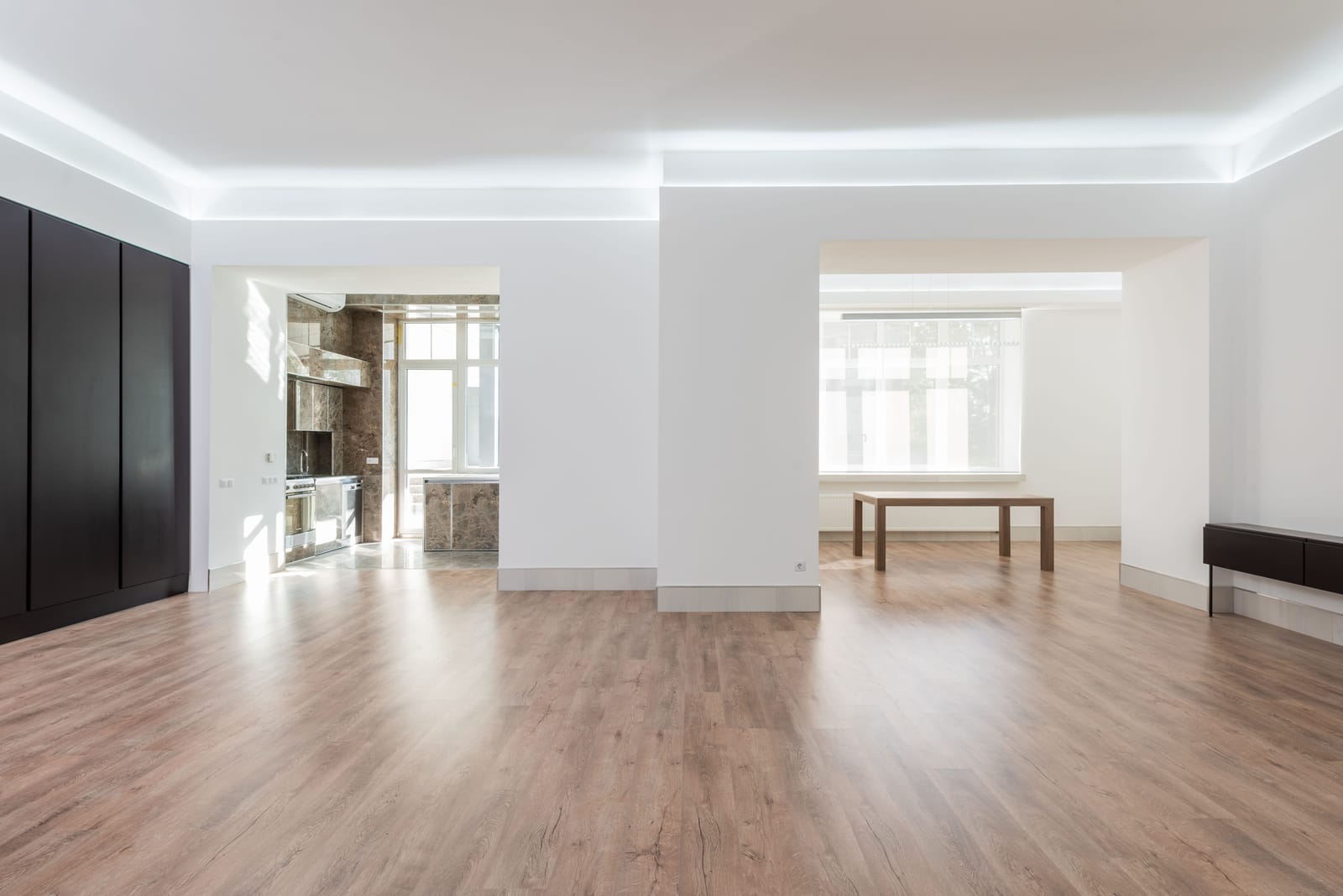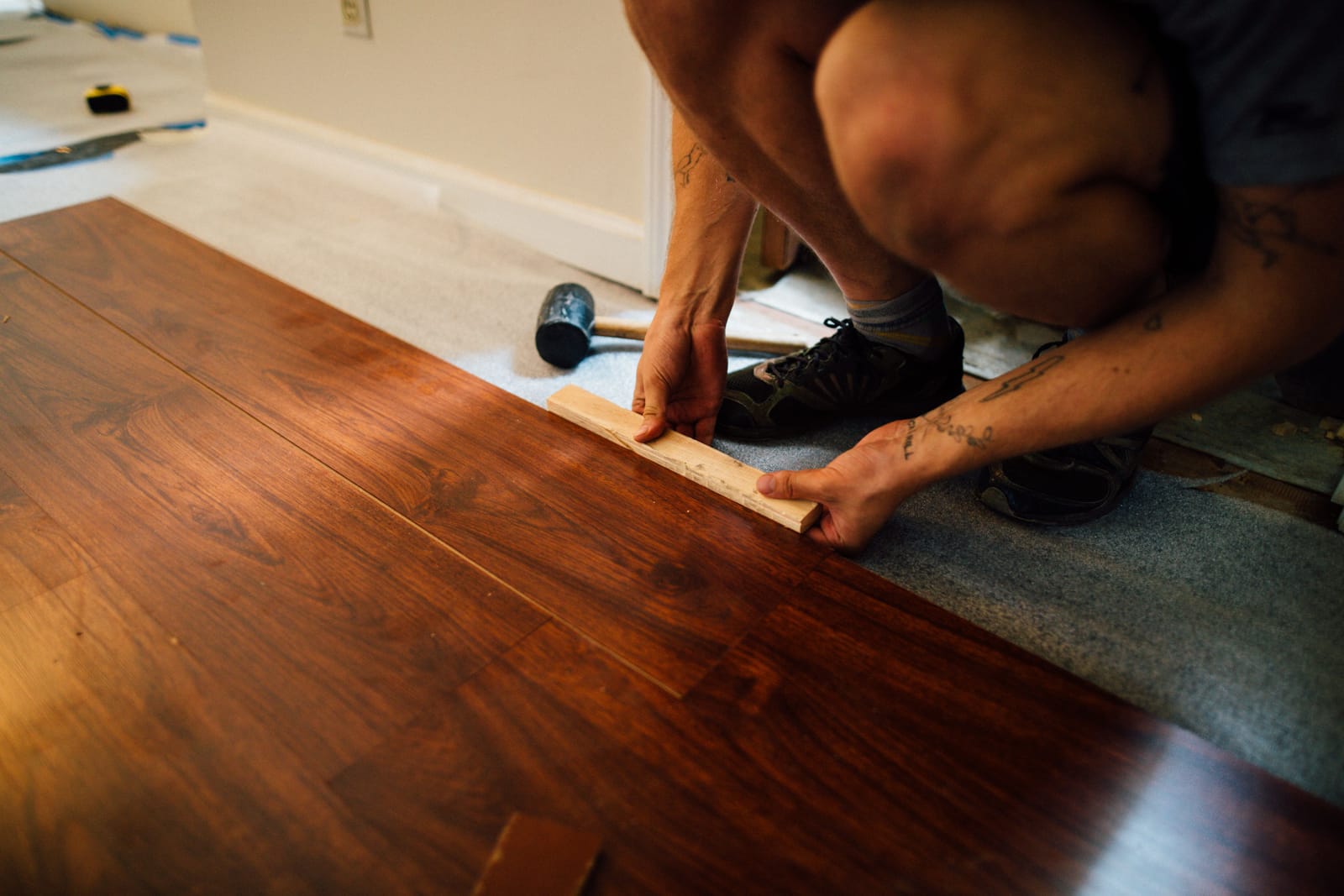
Once you have chosen your flooring and scheduled installation, a little preparation goes a long way toward a smooth, on-time project. A well-prepared home lets the crew work efficiently, protects your belongings, and helps the finished floor turn out exactly as planned.
Here is a simple, Las Vegas-specific checklist to get your home ready for flooring installation day, including how to handle the dust and heat that come with desert projects.
Clear the Rooms
The crew needs open, accessible space to work. Before the project begins, plan to clear out the rooms being floored as much as possible.
- Remove furniture, rugs, and decor from the work areas
- Take items off shelves and out of closets that open into the room
- Disconnect and move electronics and lamps
- Move fragile and valuable items to a safe room
Plan for Furniture and Appliances
Talk with your installer ahead of time about who is moving what. Many crews can move standard furniture, but knowing the plan in advance avoids surprises on installation day.
Heavy and Specialty Items
Pianos, large safes, gym equipment, and certain appliances may need special handling. Discuss these during your estimate so the scope is clear.
Water and Gas Connections
Appliances connected to water or gas lines, like refrigerators and stoves, should be planned for in advance so they can be disconnected safely.
Let the Flooring Acclimate
Wood and many wood-look floors need to acclimate to your home's indoor conditions before installation, which is especially important in the dry Las Vegas climate. Your installer typically delivers the material in advance and lets it adjust to the home's temperature and humidity.
Skipping acclimation is a common cause of gaps and movement later, so it is worth the short wait.
Prepare for Dust and Noise
Installation, and especially old-floor removal, creates dust and noise. Tile demolition in particular is dusty work, and our desert dust compounds it, so plan accordingly.
- Set up a comfortable space away from the work area
- Close off vents and doors to rooms not being worked on
- Expect some dust even with containment measures in place
- Keep pathways to the work area clear for the crew
Make a Plan for Pets and Kids
An active job site with tools, adhesives, and open materials is not a safe place for pets or young children. Plan to keep them in a separate area, with a friend or family member, or out of the house during the noisiest stages.
This keeps everyone safe and lets the crew work without interruption, which helps the project finish on schedule.
Think About Access and Parking
Crews need a clear path to bring materials and tools in and out, and a place to park near the home. In gated communities common around the valley, arrange any visitor access or gate codes ahead of time.
Clearing the garage or driveway and the entry path makes load-in faster and protects your belongings.
Confirm the Details in Advance
Before the first plank goes down, confirm the schedule, the layout direction, transition locations, and any trim work with your installer. Clear communication up front is the easiest way to make sure the finished floor matches exactly what you pictured.
If you have questions about timing or what to expect, reach out before installation day so everyone is on the same page.
Set Expectations for the Timeline
Knowing the schedule helps you plan your week. A single room is often done in a day or two, while a full home can take several working days depending on the product, subfloor prep, removal, and any stairs or trim.
We share a realistic timeline before we start, including which rooms will be off limits and when, so you can arrange your routine around the work.
Protect Adjacent Rooms and Belongings
Even with careful dust control, fine particles can travel during removal. Closing doors and covering vents to rooms that are not being worked on helps keep the rest of the home clean.
Move or cover items in nearby rooms, and let us know about any especially sensitive electronics or valuables so we can plan around them.
Climate Control During Installation
Indoor temperature and humidity matter during installation, especially in our dry climate. Many products perform best when the home is kept at normal living conditions before, during, and after the install.
Keeping the air conditioning running as usual supports proper acclimation and helps the new floor settle correctly, so it is worth maintaining your normal indoor climate rather than turning systems off.
Plan Access, Parking, and Gate Codes
Crews need a clear path to load materials and tools, plus a place to park near the home. In the gated communities common around the valley, arranging visitor access or gate codes ahead of time keeps the day on schedule.
Clearing the entry path, driveway, or garage staging area makes load-in faster and protects your belongings.
After Installation: First Week Care
Once the floor is in, a little patience protects your investment. Follow any product-specific guidance on when to replace furniture and rugs, especially for site-finished hardwood that needs time to cure.
- Wait the recommended time before heavy furniture goes back
- Add felt pads before sliding anything across the floor
- Use entry mats to catch grit from the start
- Clean with the manufacturer's recommended method
Communicate Special Requests Early
The smoothest projects start with clear communication. If you have preferences about layout direction, transition placement, trim style, or scheduling, share them before installation day so everyone is aligned.
If anything is unclear as the date approaches, reach out. A quick conversation up front prevents surprises and helps the finished floor match exactly what you pictured.
A Simple Pre-Installation Checklist
A short checklist the week before keeps installation day stress-free. Walking through these items in advance helps the crew start quickly and protects your belongings.
- Clear furniture, rugs, and decor from the work areas
- Empty closets that open into the rooms being floored
- Confirm who is moving heavy or specialty items
- Arrange care for pets and young children
- Sort out gate codes, parking, and entry access
What to Expect on Installation Day
On the day itself, the crew protects pathways, stages materials, and begins with removal and subfloor prep before installing the new floor. Expect noise and dust during the early stages, especially if old tile is coming out.
We keep the site organized, clean up at the end, and walk the finished floor with you so you can see the result and ask any questions before we wrap up.
Questions to Ask Before the Crew Arrives
A quick conversation ahead of time prevents most surprises. Confirm the schedule, which rooms will be off limits, how furniture will be handled, and where the crew should park and enter.
If you have any special requests about layout direction, transitions, or trim, share them before the work begins. When you are ready to schedule, request a free estimate or book an appointment and we will guide you through the rest.
Why Preparation Protects Your Floor
Good preparation is not just about convenience on installation day. A clear, accessible space lets the crew prep the subfloor thoroughly and install the floor precisely, which is what determines how flat and tight it stays over time.
Rushed or cramped working conditions make careful work harder. The little effort you put into clearing and planning ahead directly supports a better, longer-lasting result.
Planning Around the Las Vegas Heat
During the hot months, plan to keep doors closed and the air conditioning running as usual so the home stays at comfortable, stable conditions for both the crew and the flooring. Steady indoor climate supports proper acclimation.
If the crew is loading materials in summer heat, a clear, shaded staging path and easy access help the day go smoothly. A little planning around the weather keeps the project on schedule.
Frequently Asked Questions
Not necessarily. Many crews can move standard furniture as part of the project, but it is best to confirm during your estimate. Clearing small items, valuables, and breakables yourself always helps the day go smoothly.
It varies by product, but many wood and wood-look floors acclimate for a couple of days in the home before installation. Your installer follows the manufacturer's guidance, which is especially important in our dry climate.
In most cases, yes. We work room by room when possible and keep the site clean and contained. Plan for some noise and dust, and keep pets and young children away from the active work area.
We use containment and dust-control methods and clean as we go. Closing off vents and unused rooms helps, and some dust is normal during tile demolition even with precautions in place.
Thinking About New Floors?
Get a free, no-obligation estimate from a local Las Vegas flooring team that does the job right.